


Let AI summarize this article for you

In the retail industry, demand forecasting remains one of the most critical components of effective supply chain management. Accurate forecasting is essential for maintaining optimal inventory levels, minimizing lost sales, and significantly reducing waste. Conversely, inaccurate predictions often result in empty shelves or excess stock, unnecessarily tying up working capital and eroding profitability.
Many retail and grocery chains continue to rely on periodic forecasting methods. These typically involve generating weekly or monthly reports, exporting data to Excel, and manually creating orders. By the time goods arrive at stores, however, consumer demand has frequently shifted, leading to persistent inventory imbalances — stockouts (OOS) of fast-moving items alongside overstock of slow-turning products.
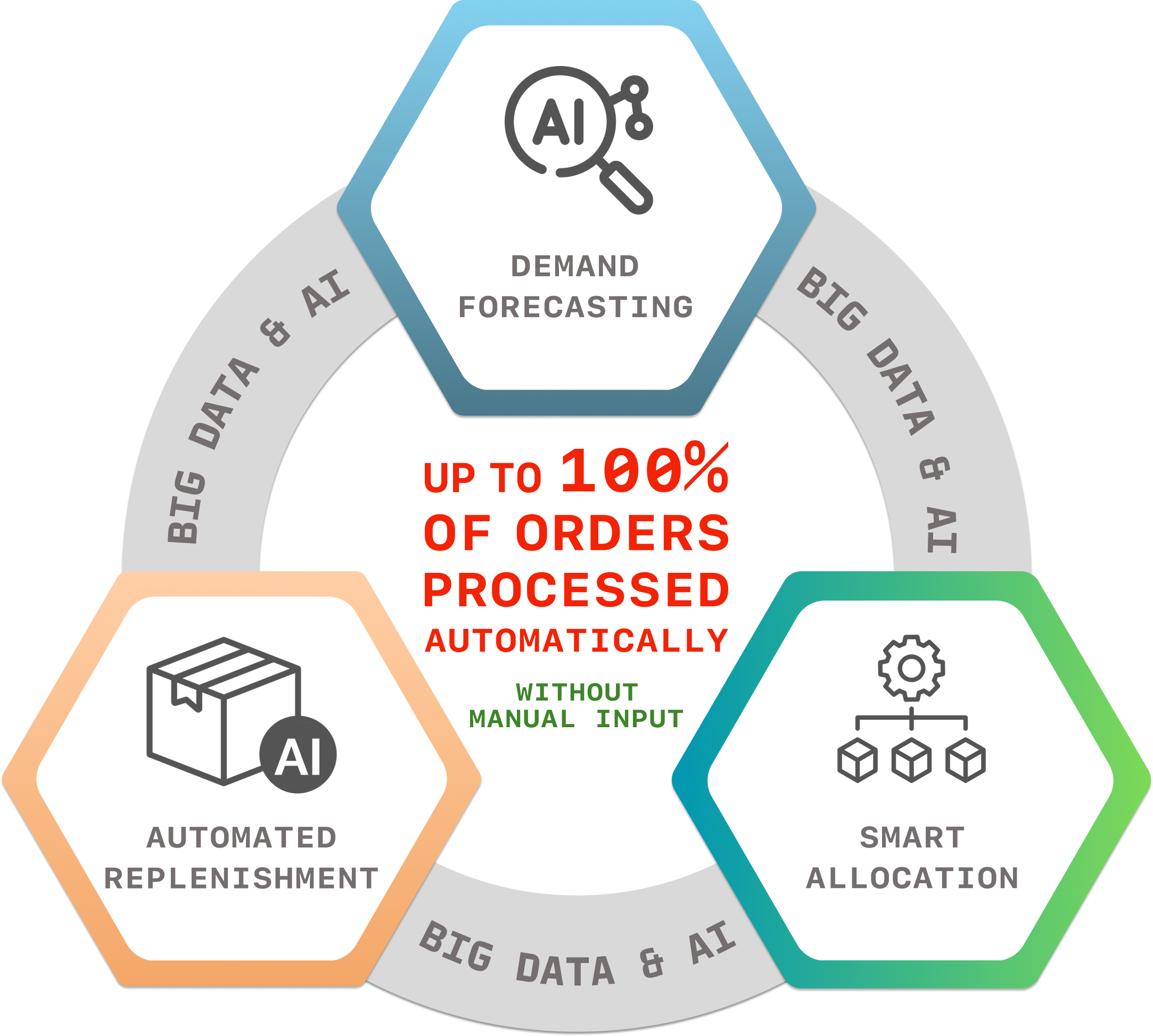
Retano SCM integrates advanced retail demand forecasting software with a powerful automated replenishment engine within a single, unified supply chain management platform. Forecasting is not a standalone module but a native, built-in component of the entire ecosystem. This architecture delivers true end-to-end automation — from predictive demand calculation to purchase order generation, store allocation, and inventory balancing — all within one continuous, seamless workflow.
What Makes Demand Forecasting Accurate and Actionable
Daily Forecast Updates
Retano SCM recalculates forecasts every day, incorporating the latest sales data, current inventory levels, incoming deliveries, and other operational variables. Thanks to its deep integration, these daily updates directly and immediately influence replenishment decisions.
Seamless Automation from Demand Forecasting to Replenishment
Because the demand forecasting system is an integral part of the SCM solution, there is no need for manual data exports or transfers. The forecast flows automatically into the replenishment engine, generating precise order quantities while accounting for:
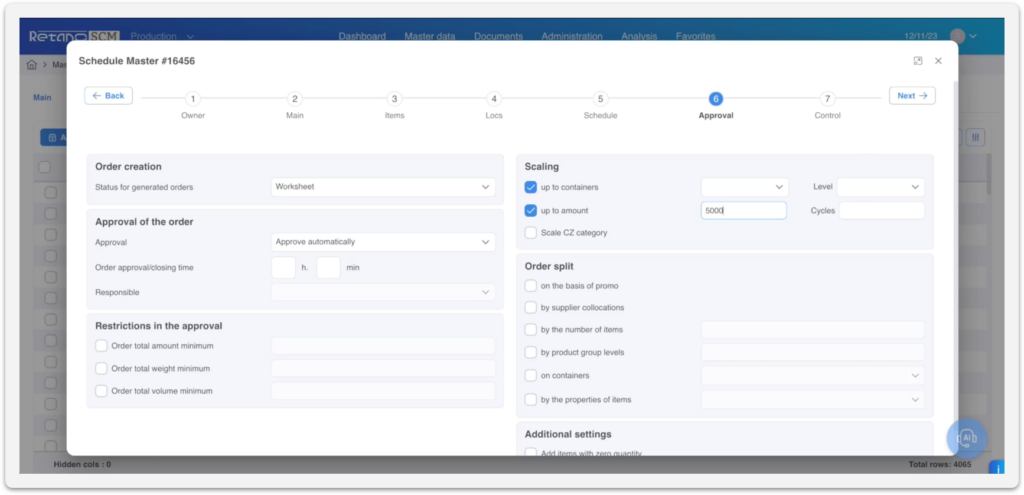
- Supplier lead times
- Minimum order quantities (MOQs) and pack size requirements
- Delivery schedules and constraints
- Safety stock levels and current inventory positions.
Individual SKU-Level Approach in Retail Demand Forecasting
The system identifies the unique demand pattern of every product — whether stable high-turnover, strongly seasonal, or sporadic — and applies the most appropriate forecasting methodology. This granular precision is possible because forecasting and inventory management operate within the same unified platform.
Working with Real Retail Data in Demand Forecasting
Retail data is often imperfect. When a product goes out of stock, recorded sales drop to zero. Retano SCM automatically cleans historical data as part of its forecasting process:
- Reconstructing lost sales during stockout periods based on prior sales velocity
- Removing one-off spikes caused by large corporate orders or scanner errors
- Adjusting for promotional effects to isolate true baseline demand
Handling Promotions, Seasonality, and Category Effects with AI Demand Forecasting
Demand in grocery and general retail is rarely stable. It is shaped by seasonality, promotional activity, local consumer behavior, and inter-product dynamics within categories. Retano SCM addresses these real-world complexities directly within its integrated retail demand forecasting and replenishment process.
Seasonality
The system captures both broad category trends and significant local variations. For example, demand for fish and seafood rises sharply before Christmas across many European markets, while certain regions see pronounced spikes in shrimp, mollusks, and premium seafood. New Year drives increased sales of meat, particularly premium cuts, and Easter boosts demand for lamb and white eggs in many markets. Retano SCM models these patterns at both category and individual store levels, incorporating regional habits and cultural traditions.
Promotions
Promotional campaigns often create the most dramatic demand fluctuations. A “2-for-1” offer on yogurt or a deep discount on olive oil can multiply sales several-fold within days. Retano SCM calculates promotional uplift separately by analyzing discount depth, offer mechanics, and timing. This enables accurate forecasting of additional volume, preventing both stockouts during the promotion and costly overstock afterward.
Category Effects (Cannibalization)
Heavy promotion of one product frequently reduces sales of similar items in the same category. A strong campaign on one brand of milk or pasta, for instance, can noticeably depress competing brands. Retano SCM accounts for these substitution effects to deliver a more accurate net forecast for the entire category.
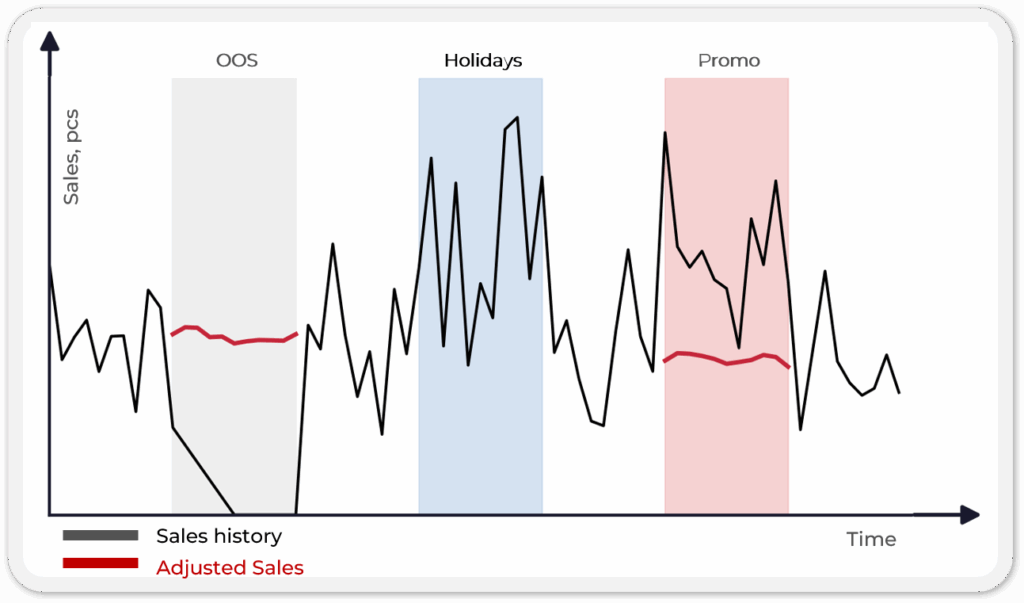
By processing all these factors within a single unified end-to-end system, Retano SCM ensures forecasts remain realistic and directly drive optimal replenishment decisions — even during volatile holiday and promotional periods.
Solving the Cold Start Problem for New Products with Predictive Demand Forecasting
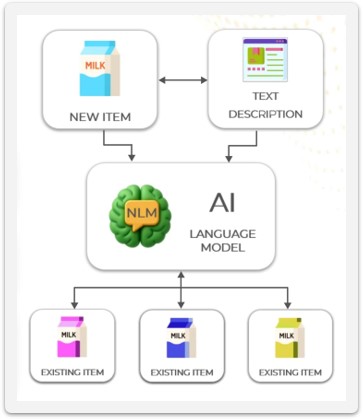
For new items lacking sales history, the system automatically analyzes product descriptions and attributes to identify similar SKUs already in the assortment. It then applies their historical demand patterns to generate an initial forecast, enabling the new product to join the automated replenishment workflow from day one.
Real Results: What Retailers Achieve with Retano SCM
Retailers implementing Retano SCM typically report:
- 20–40% reduction in stockouts, resulting in improved shelf availability and higher sales
- 15–25% lower inventory levels while maintaining or enhancing service levels
- Up to 95% automation of routine replenishment orders, allowing planners to focus on exceptions, supplier negotiations, and strategic initiatives
These outcomes are achievable because AI demand forecasting in Retano SCM is not a separate tool — it is deeply embedded in daily supply chain execution, creating a genuine end-to-end process.