


Let AI summarize this article for you

In February 2026, MEGO, one of Latvia’s major local supermarket chains, launched an upgraded loyalty program for regular customers powered by the Retano CRM & Loyalty platform. The new solution integrates flexible loyalty program management, advanced data analytics, and real-time omnichannel communication into a single digital ecosystem.
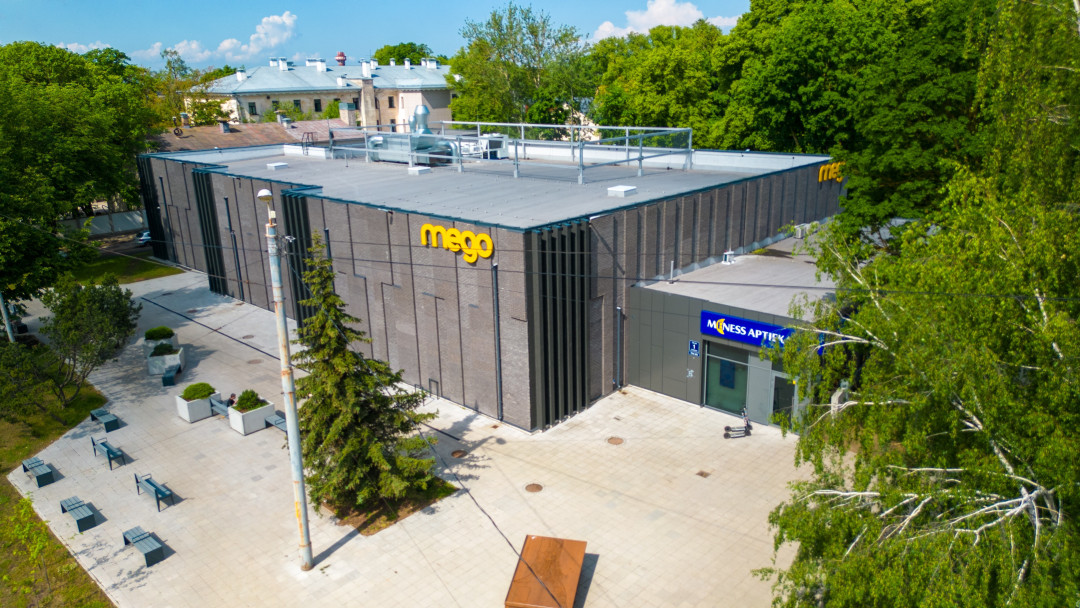
Founded in 1999, MEGO is one of the first local-owned retail chains in Latvia, currently operating 90 stores. The company’s annual turnover exceeds €200 million. MEGO is a customer-centric retailer that focuses heavily on service quality, product assortment, and shopping convenience.
What drove MEGO to modernize its loyalty program?
Loyal customers play a key role in the retail chain’s business, driving more than half of all purchases. However, traditional plastic loyalty cards and discounts were no longer delivering the desired effect. To align with evolving customer expectations, MEGO decided to build a customer-centric infrastructure that seamlessly integrates direct communication with personalized offers tailored to the behavioral profiles of various customer segments.
New opportunities for MEGO: multi-tier rewards, segmentation, and trigger-based workflows
Within the project framework, the Retano CRM & Loyalty platform was integrated with the chain’s existing ERP system and POS terminals across all 90 retail locations, featuring full localization for the Latvian market. Powered by Retano’s capabilities, the retailer transitioned from mass, generic promotions to flexible, personalized marketing mechanics:
- Special promotional mechanics: launching member-only prices and bundle deals (multi-buy and combo offers)
- Referral program for organic customer acquisition
- Dynamic loyalty tiers: a multi-level system where customers complete specific missions, engage in gamified experiences, and unlock new rewards, benefits, or bonuses with each achievement
- Trigger-based automation: the platform monitors customer activity, initiates communication and reward mechanisms, and/or interacts with customers through predefined automated workflows, reducing the operational workload of the system architect
What MEGO customers gained?
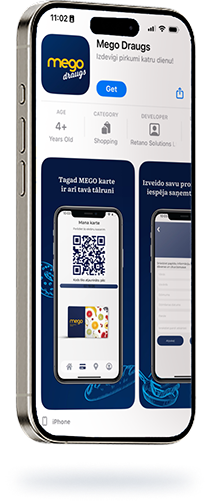
At the heart of the new program is the Mego Draugs mobile app. Moving away from plastic cards, customers now have seamless access to:
- In-app-only prices and personalized coupons
- Birthday discounts and a friend referral program
- Transparent rewards tracking and purchase history
Customer interest in the app was driven predominantly by organic growth, without major marketing incentives.
This result underscores the high relevance of mobile loyalty apps in modern retail. When a product truly solves real customer pain points, it achieves natural and sustainable adoption without requiring aggressive promotion.
Looking ahead, MEGO plans to drive the data-driven evolution of personalized rewards based on continuous customer behavior analysis.
What results MEGO achieved?

Aleksandrs AFANASJEVS, Head of Marketing Department

“Digital loyalty works best when the app becomes more than just a digital card on a phone, but rather a powerful tool for personalized customer engagement.”
“A successful loyalty app launch is about more than just downloads. What matters most is the shift in customer behavior. The mobile app has become a measurable driver for migrating clients away from plastic cards, boosting both visit frequency and basket size.
Key results of the post-launch analysis:
- For customers who switched to the app, the volume-weighted turnover increased by 18% post-migration.
- Store visit frequency increased by 28% among app users.
- By May, the digital channel reached a double-digit share of the chain’s total turnover and receipt count.
- The registration-to-first-purchase conversion rate reached approximately 70%.
- Organic segmentation of app-adopting loyal clients into a shopper category with a CLV twice as high as that of plastic-card-only users.
The main takeaway: the app did more than just “digitize the loyalty card.” It helped transform anonymous or semi-anonymous buying behavior into measurable, actionable, and manageable customer relationships.
It is also important to note that the launch of the mobile app also facilitated the reactivation, win-back, and subsequent retention of a customer segment (accounting for 1.5% of the initial customer base) that had previously stopped visiting the stores for various reasons.”
Note: The results presented are a preliminary assessment of the app’s impact over a short-term split period (3 months from launch). The company will continue a detailed analysis of the program’s effectiveness throughout 2026.
Management discipline as a prerequisite for loyalty program effectiveness
A digital loyalty platform is not a “silver bullet” on its own. Maximum impact is only achieved when backed by a strong business unit acting as the system’s architect. This unit must intentionally manage loyalty mechanics: analyzing customer behavior, evaluating results through short-term split tests, promptly adjusting scenarios, and rapidly validating new hypotheses.
In a dynamic retail environment where customers are demanding and quick to shift preferences, this approach becomes crucial. From the very beginning of the loyalty system launch at MEGO, an agile methodology was embedded as a must-have: regular data analysis, short test cycles, and continuous, iterative fine-tuning of campaign mechanics.
The combination of the Retano CRM & Loyalty tech platform and mature management by the MEGO team transformed the mobile app from a mere digital alternative to a plastic card into an effective tool for driving purchase frequency, boosting customer retention, and advancing personalized engagement.